Showing posts with label Health Care. Show all posts
Beat the Heat! Tricks to Stay Cool in the Summer

Beat the Heat! Tricks to Stay Cool in the Summer

These clever, low-cost moves will help you keep your cool when the weather's hot.

Beat the heat: Peppermint tea mist


Brew a pot of peppermint tea, then stick it in the fridge. Once it's nice and cold, wonderhowto.com suggests pouring some into a spray bottle and misting yourself with it. Better than water, the menthol in the tea will give your skin a tingly, cool feeling. Here are other surprising uses for tea you probably haven't tried.


Beat the heat: Chrysanthemum tea


Whether it's hot or cold, chrysanthemum tea is served to lower body temperature, according to China Daily. It's also been said to soothe heat rash, experts told Natural Health.


Beat the heat: DIY air-conditioning


Freeze a couple of water bottles and place them in front of a floor or desk fan, and you'll enjoy a much cooler breeze with your makeshift air-conditioner. Wikihow.com advises adding salt to the water first to beat the heat longer; apartmenttherapy.com skips the bottles altogether in favor of a bowl of ice water.


Beat the heat: Aloe vera


You know aloe vera naturally soothes sunburn, and its cooling properties also work to help you beat the heat. Blogger Crunchy Betty offers different recipes to make spray of it, combining witch hazel and peppermint oil. Here are aloe vera uses you might not know.


Beat the heat: Spicy food


If you're already sweating, why would you want to sweat more? Professor of food science at Penn State University Luke LaBorde offers this answer: eating spicy food increases blood circulation and makes you sweat, so you'll feel cooler as the sweat dries. Dr. Oz explains that the capsaicin in hot peppers encourages your body to sweat more without raising your body temperature.

Read More
6 Ways to Get Organized With ADHD

6 Ways to Get Organized With ADHD

Disorganization is a hallmark of ADHD—but a few simple tricks can help you calm your mind, clear the clutter, and organize your life.


Make to-do lists, not wish lists


 To-do lists are great organizational tools, but only if they’re realistic. Don’t overdo it; try to set small goals by jotting down no more than five tasks. The experts at ADDitude, a magazine for those with ADHD, recommend writing on index cards and using big, bold letters. Once you’ve completed those first five tasks, flip the card over, and create a new to-do list. Here are sneaky reasons you never finish your to-do list


Start with 15 minutes


Setting a time limit for tasks—whether cleaning up after dinner or organizing a cabinet drawer—is a smart time management strategy for anyone with ADHD. Graff also recommends what she calls “staying in the magic circle” to help you stay focused. “Put your hands to the side and imagine a circle around you; that’s your magic circle and don’t jump out for 15 minutes,” she says. For example, if you’re cleaning your kitchen countertop, start by tackling one small area, and don't move on until it's done or your 15 minutes is up.


Invest in a good timer


ADHD symptoms often make it difficult to predict how much time has passed, how long tasks will take, and to evaluate where you are and what still needs to get done, Ari Tuckman, PsyD, a clinical psychologist in West Chester, Pa. and author of More Attention, Less Deficit, told everydayhealth.com. To the rescue: a good visual timer. Graff recommends the Time Timer, which looks like an oven timer, but has a red disc that covers the face of the clock; the red diminishes as time passes. “Just avoid a timer that ticks—that can drive you crazy,” she say


Stick with sticky notes


With ADHD, it’s easy to get distracted halfway through and wander out of the room before finishing the task. The solution: stick a Post-It note (Graff loves the six-inch ones!) outside of your door or in the room where you tend to wander to most (i.e. the kitchen). Write, “Has it been 15 minutes? Go back!,” she says. “This will keep you on track.”


Eliminate morning chaos


Getting up and getting everyone out the door (and on time) is particularly challenging with ADHD. Aim to get organized the night before—set out clothes, make lunches, pack backpacks or briefcases, etc.—and place any items you’ll need (keys, umbrella, wallet, cell phone charger) near the front door. You may even consider creating an area or “launch pad” near the door with cubbies, pegs, hooks, and containers. Hitchcock Graf also recommends hanging up a family calendar in a central spot.  To make breakfast a no brainer, here's how to organize your pantry. And a clean medicine cabinet cuts down on bathroom time!


Plan and prepare


Before you begin clearing the physical clutter, it’s important to de-clutter your mind and get focused. Take one or two minutes to create a plan. “Close your eyes and tell me what words come to mind,” Holly Hitchcock Graff, CPO, PCC, founder of Clutter Control Angels, tells clients. “Do you see clutter, stressful, overwhelming? Now close your eyes and think about what you want to see—for example, relaxing, a place to read, a place the family can come together.” This will help you slow down, take a breath, and get started.


Read More
Good Carbs for Diabetes Nutritionists Want You to Eat

Good Carbs for Diabetes Nutritionists Want You to Eat

If you have diabetes, you can (and should) eat carbs. The key: eating proper portions and choosing carbs that will help control blood sugar. These healthy carbs are especially helpful for diabetics.


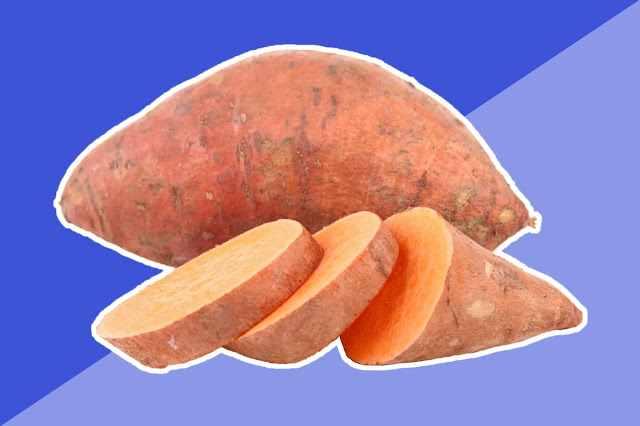
1) Healthy carb: Sweet potato


These orange spuds are digested more slowly than the white variety, thanks to their high fiber content. Season with a dash of cinnamon, shown to help control blood sugar. Have ½ cup cooked. Make a snack: Top a baked sweet potato with cinnamon and almond butter.


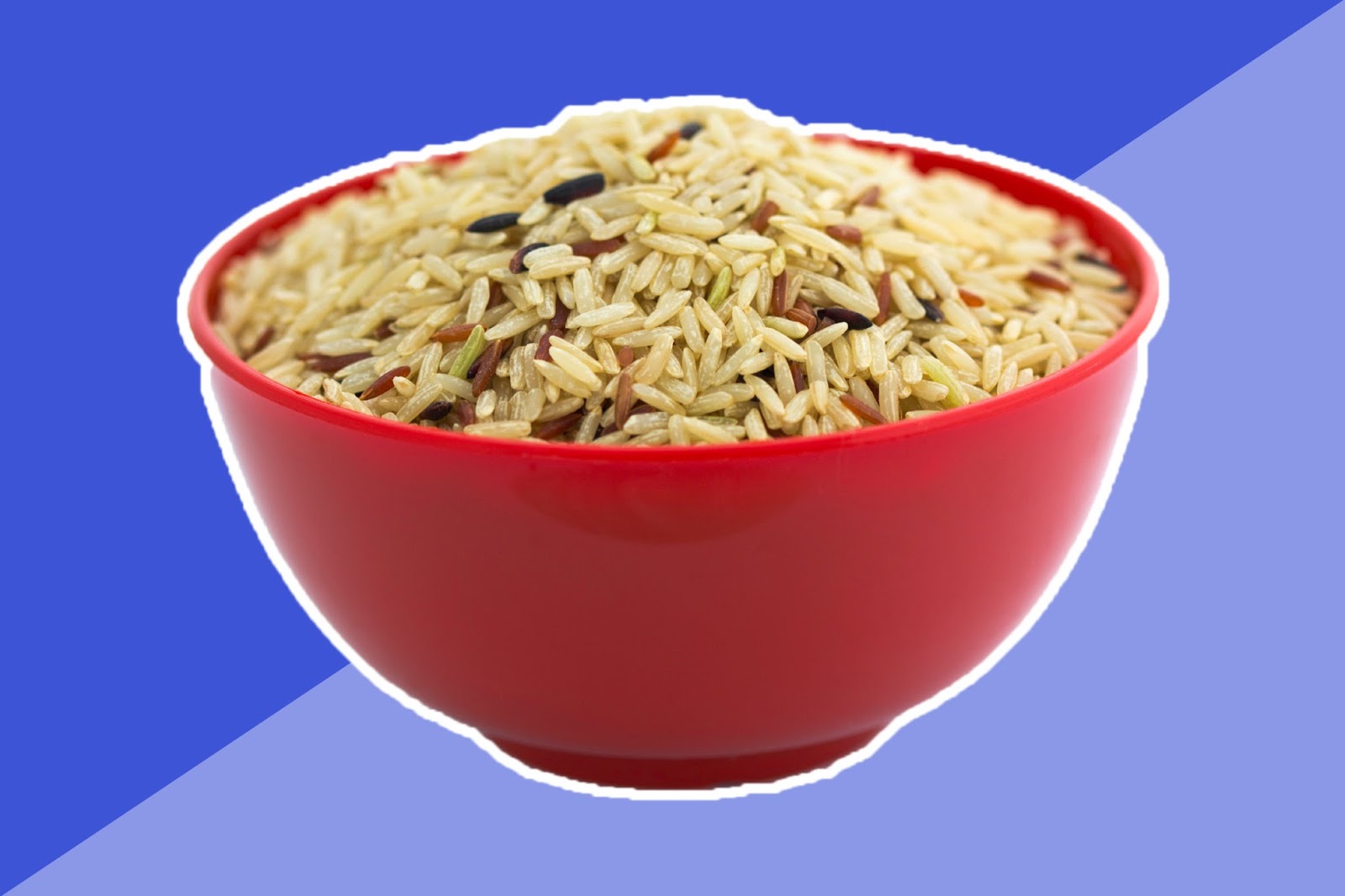
2)Healthy carb: Brown rice


Whole grains like brown rice contain all three parts of the fiber-rich grain kernel, while white rice and other refined grains have only the endosperm intact. The fiber helps to slow the speed at which carbohydrates hit your bloodstream. Have ⅓ cup cooked. Make rice pudding: Mix rice with equal parts light coconut milk, and combine with dried cranberries and cinnamon; cover and soak overnight.

3)Healthy carb: Lentils


The new 2015-2020 Guidelines for Americans recommend eating more protein-rich pulses, such as lentils and beans. And for good reason: Along with 9 grams of protein and 8 grams of fiber, ½ cup cooked lentils contains potassium, which helps to control blood pressure. This is especially important because two in three people with diabetes have high blood pressure or take medication to lower blood pressure, according to the American Diabetes Association. Have ½ cup cooked. Make a salad: Combine with diced pears and apples, dried cranberries, fruit-infused balsamic vinegar, and olive oil.


4)Healthy carb: Plain Greek yogurt


A ¾ cup serving of plain 2% fat Greek yogurt contains about 7 grams of carbs (about half the amount in a slice of bread), along with essential nutrients, such as protein and calcium. Getting enough calcium is essential for people with diabetes, who may be more likely to have lower bone density, notes Prevention.com. Have ¾ cup. Make a parfait: Mix with sliced strawberries and chopped almonds.


5)Healthy carb: Wild blueberries


These berries contain three to five more antioxidants—which may play a role controlling blood sugar—than traditional blueberries, per research out of University of Alaska Fairbanks. Have ¾ cup defrosted frozen wild blueberries. Make a smoothie: Blend with frozen banana slices, almond butter, and almond milk.

Read More
Mosquito Bites: 10 Weird Reasons You’re Getting Bitten

Mosquito Bites: 10 Weird Reasons You’re Getting Bitten


Mosquitoes buzz: Whom they love to bite, where they like to hang out, and which repellents they hate the most.

1)Hate getting bitten up?

Blame the ladies. We don’t like to admit this, but male mosquitoes do not eat human blood: They get all their nutrition from plant nectar. We females need your blood, which contains a protein that helps our eggs develop. After we have a blood meal, we can lay anywhere from 100 to 400 eggs.

2)When it comes to West Nile, end-of-summer bites may do more harm


It’s simple logic: We bite birds who have the West Nile virus; then we bite humans and spread it. By summer’s end, we’ve had more chances to bite infected birds.

3)We love when you work up a sweat


You think we’re drawn by the aroma of your “sweet blood,” but it’s really the carbon dioxide you exhale that makes us beeline toward you. The harder you breathe, the more CO2 you emit, so you’re especially attractive after a jog. Here's how your microbiome makes you a mosquito magnet.

4)Smelly feet are simply delicious


In fact, scientists have shown that we find your tootsies ten times more alluring than Limburger cheese (but really our favorite body part is your hand). Here's how to avoid Zika virus-carrying mosquitoes, who particularly love smelly feet.

5)If your home’s landscaping is well tended, we won’t like it as much


We like to hang out in thick, overgrown vegetation. The darker and more humid, the better. If you keep your lawn mowed, pool skimmed, and bushes trimmed, your backyard won’t be very appealing. Removing puddles of stagnant water is also a great way to repel us—that’s where we like to lay our eggs.

6)We’re thrilled when you buy DEET-free repellent


DEET, along with picaridin, is among the stronger types that help keep us away. Each type blocks different receptors that allow us to track you down. We’re also not big fans of lemon eucalyptus and the compound IR3535, although these are a little weaker than DEET and picaridin.
Read More
Diabetes Fatigue — Get Your Energy Back

Diabetes Fatigue — Get Your Energy Back

Fatigue is one of the most common and most disabling symptoms of diabetes. What causes all this exhaustion and how can we get our energy back? Some studies have reported that as many as 85% of people with diabetes experience fatigue, defined as excessive tiredness that interferes with one or more life functions. As a Diabetes Self-Management reader named Donnah wrote, “Since being diagnosed with Type 2 diabetes, my housework suffers dramatically, I don’t do half of the things that I used to do with my child. When I do find the time and energy to do things, I am easily worn out and need to rest. I can’t even keep a job. I am on disability because of it and I hate this.”

Causes of fatigue

How does diabetes make you tired?
• High blood sugar makes blood sticky, so it can’t get through the capillaries as easily to bring oxygen to cells. You know how you get sleepy after a big meal? High blood sugar can mean having that feeling all the time.

• Insulin resistance keeps glucose out of body cells, so they don’t have fuel.

• High blood sugar also causes inflammation. Remember how exhausted you get with the flu? That is, in part, inflammation. The same thing happens with poorly controlled diabetes.

• Hypoglycemia, or low blood sugar, can cause fatigue.

• The mental stress of coping with diabetes can wear out your mind and spirit.

Many other conditions besides diabetes can cause fatigue. If your sugars are under control, but you still lack energy, consider being tested for:

• Sleep apnea, which causes exhaustion and is very common in diabetes. If you wake up tired, ask your doctor for a sleep test.

• Anemia, or a lack of red blood cells or hemoglobin (the protein responsible for transporting oxygen) in the blood.

• Low or high thyroid.

• Low sex hormones, especially testosterone.

• Chronic infections, such as oral, urinary tract, or vaginal infections, which are common in diabetes. Any of them can make you tired.

• Immune and other potentially related conditions, such as chronic fatigue, fibromyalgia, or multiple sclerosis. All of these are more common in people with diabetes.

Then there are things you can’t be tested for, but perhaps can change.

• Deconditioning. If you don’t move, your body gets weaker.

• Stress. This keeps your heart rate and blood pressure up, which drains your energy.

• Bad diet. Sugars and refined grains leave you tired. Consider eating a lower-carbohydrate diet.


• Shift work. Changing hours of sleep and activity confuses your body, and it may be difficult to get the sleep you need.

• Overdoing things. Running yourself ragged will wear you out.

• Depression. If there’s no reason to get up, your body won’t want to.

How to get your energy back


• Sleep better. It should be obvious, but our society denies it. We need to sleep. Before electricity, 9–10 hours a night was normal. Now we’re lucky if we get 7, and many people with diabetes get far less. See a couple of articles on getting better sleep here and here. Ask your doctor to be checked for sleep apnea.


• Naps are also great. It’s totally normal to be sleepy around 1 PM and 3 PM. That’s why many cultures encourage a siesta (rest) in those hours. Most jobs frown on napping, but if you can find a way, embrace your nap.

• Control your glucose better. Do what you can to bring your sugar down, whether it’s diet, exercise, supplements, or medicines.

• Get tested for anemia, thyroid, and other possible causes of your fatigue.

• Ask a pharmacist if your medications could be causing fatigue.

• Try juicing. A reader named Kat commented that since she started “juicing green leafy vegetables in the morning, with some wheatgrass…and eating a higher-protein and -fat, lower-carbohydrate diet, I have shaken off…the extreme fatigue that I used to have every day.”

• Supplements. Ginseng, vitamin B12, magnesium, alpha-lipoic acid, acetyl-L-carnitine, and coenzyme Q-10 are recommended by several authorities.

• Drink water. Dehydration often causes fatigue.

• Get outside more. Sunshine tells your body to wake up. If you can’t get sunshine, maybe buy a full-spectrum light that mimics the sun’s effects. Compact fluorescent lights (CFLs) marked “cool white” or “daylight” are also better than standard incandescent bulbs.

• Breathe. Try to stop what you’re doing every couple of minutes and focus on your breathing for a minute.

• Do some kind of gentle movement like walking or tai chi. Stretch your arms and legs. Sitting or standing still is tiring.

• Do some relaxation. Take breaks. Rest. Meditate or pray.

• Consider counseling for anxiety, depression, or high stress.

• If possible, spend time with people or animals who make you feel alive, not the ones who wear you out. Can you think of one person or creature who makes you feel better?

• Find something you love and apply yourself to it. You might even find something to do on the Internet. My blog The Inn by the Healing Path is full of stories of people healing by committing to what they love.

• Resist the madness. Our society is all about more, more, more. Faster, faster. This approach would fatigue anyone. Let’s focus on quality of life over quantity of stuff done or acquired. Find your personal balance between work, play, improvement, service, and rest.

Read More
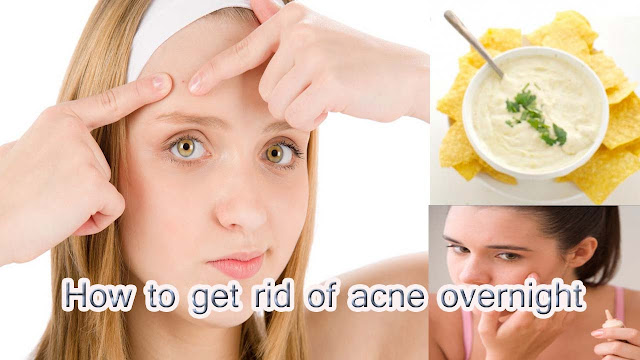
Natural Ways To Get Rid Of Pimples Overnight Fast

Natural Ways To Get Rid Of Pimples Overnight Fast


1.) Apply a Cinnamon and Honey Mask to Get Rid Of Pimples
Cinnamon and honey have natural antimicrobial properties. Together, they make a killer combination to destroy pimples. You need just one teaspoon of cinnamon and two tablespoons of natural honey. Preferably, you should use Manuka honey. This unique brand of honey, from the Manuka forest in New Zealand, has amazing healing and pain relieving properties. Mix the cinnamon into a paste then blend in the honey. Rinse your face and pat it dry. Then apply the paste to the blemishes and leave it there overnight.

2.) Whip Egg Whites to Get Rid Of Pimples
Egg whites provide a cheap, easy and quick way to remove pimples. They also eliminate scars. Egg whites contain vitamins and amino acids that help to kill pimples and re-build your skin’s cells. Separate 3 egg whites from their yolks. Whisk them properly and allow them to settle for 3 minutes. Apply the whisked egg whites to the pimples using your fingers. Wait for it to dry then repeat this 4 times. Then leave the final mask for 20 minutes, rinse off and apply a suitable skin moisturizer.


3.) Apply Orange Peels and Juice to Get Rid Of Pimples
The ascorbic acid and vitamin C in oranges make them a potent cure for pimples. And they are very easy to use. Simply rub the peels on the pimples and dab them with the orange juice. Before you do any of these, make sure you wash your hands thoroughly to prevent the transfer of bacteria to your skin. You may also wash your face with warm water to open up the pores. Use different pieces of orange peels for each spot you want to treat. You may apply the orange juice with cotton buds. Leave the juice on your face for at least 1 hour before you wash it off.

4.) Use Neem to Get Rid Of Pimples
Neem oil and neem powder are powerful natural treatments for pimples. They have powerful antibacterial properties. You can get them to buy online or at the local organic or natural food store in your area. Rinse your face with warm water to open up the pores of your skin. Use cotton buds to daub the oil and apply it directly to the pimples. You can also mix the powder with a small quantity of water to form a paste and apply it to the spots. Leave the paste on throughout the night so it can penetrate the skin destroy all the bacteria in the pimples.


5.) Blend Strawberries and Honey to Get Rid Of Pimples
Strawberries contain a very important ingredient called salicyclic acid. This is the primary active ingredient is several commercial formulations used to treat pimples. Salicyclic acid stimulates the epidermis (the upper layer of the skin) to shed its cells faster. So the clogged pores open up and the bacteria get neutralized. This substance also encourages the development of fresh skin cells and the subsequent closing of the pores to prevent fresh infection.

Rinse your face with warm water. Then wash at least 3 strawberries thoroughly to remove all the dirt on them. Mash them carefully without allowing them to become watery. Add two teaspoons of honey and blend them. Add the mixture to your skin and allow it to stay for 30 minutes before you rinse it off.
Read More